Mass-Plywood Pavilion
Year: 2025
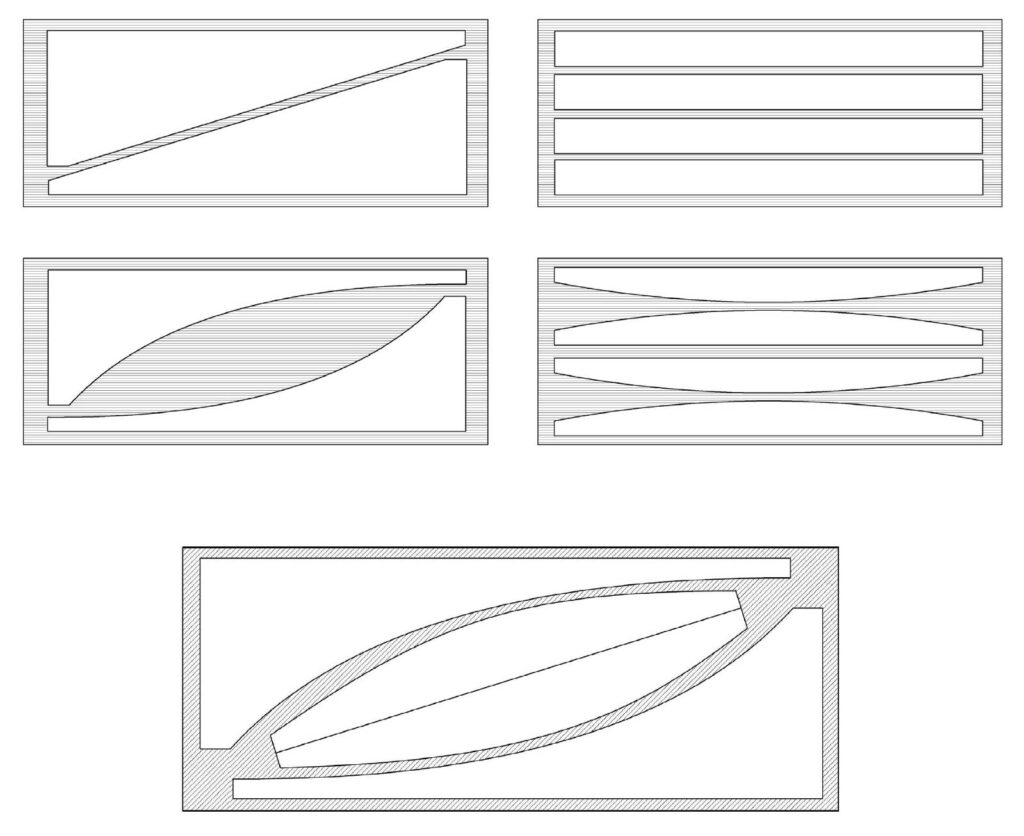
Curved edge profiles can often achieve better structural performance and reduce material use, as seen in arch and shell structures. In mass-timber construction, however, components are typically fabricated from large rectangular panels using CNC milling. Cutting irregular shapes from these panels often produces leftover offcuts that are irregular and unusable, resulting in material waste.
The concept of this design is to carefully shape each component so that it fulfills its structural role effectively in the intended position, while ensuring that the cutting layout generates minimal material waste.
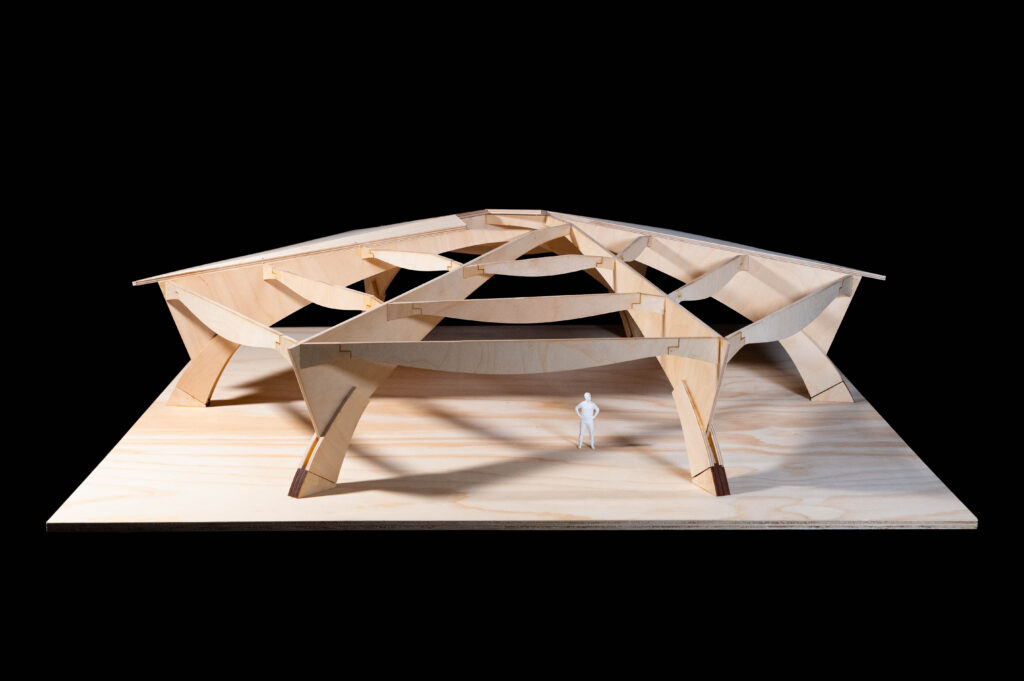
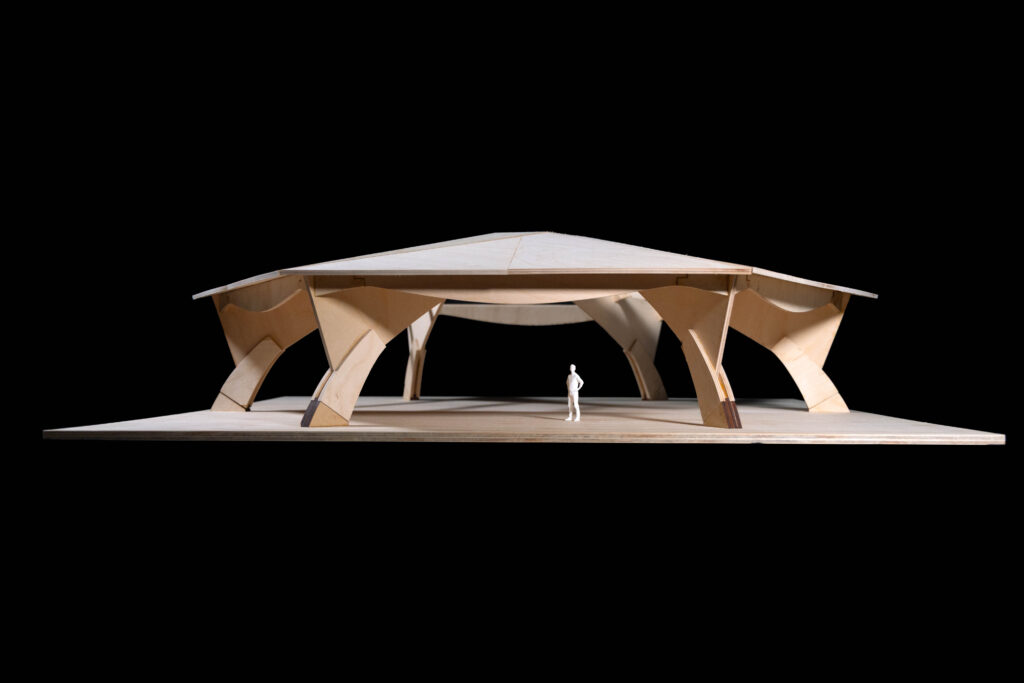
Physical Model 1/25
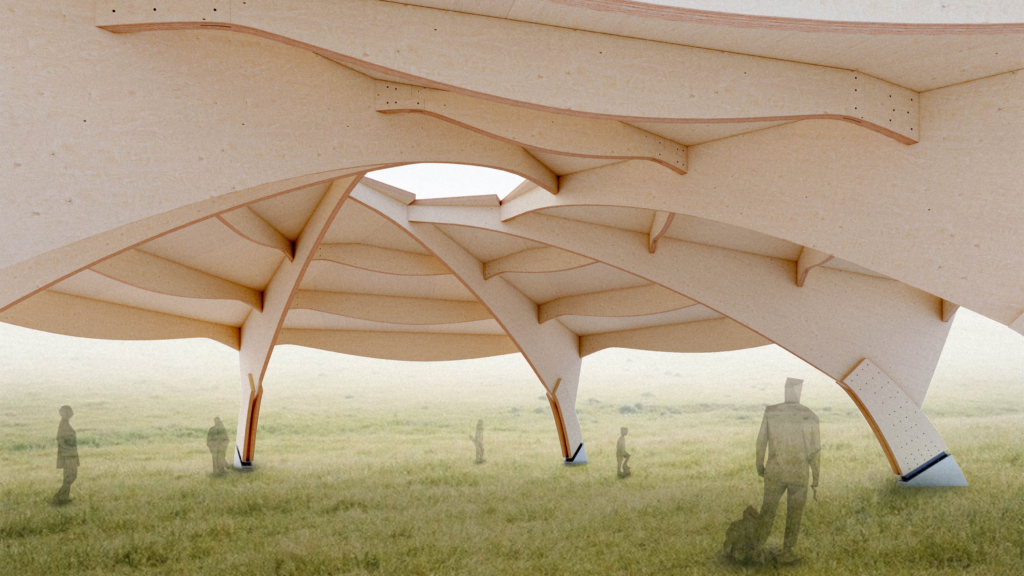
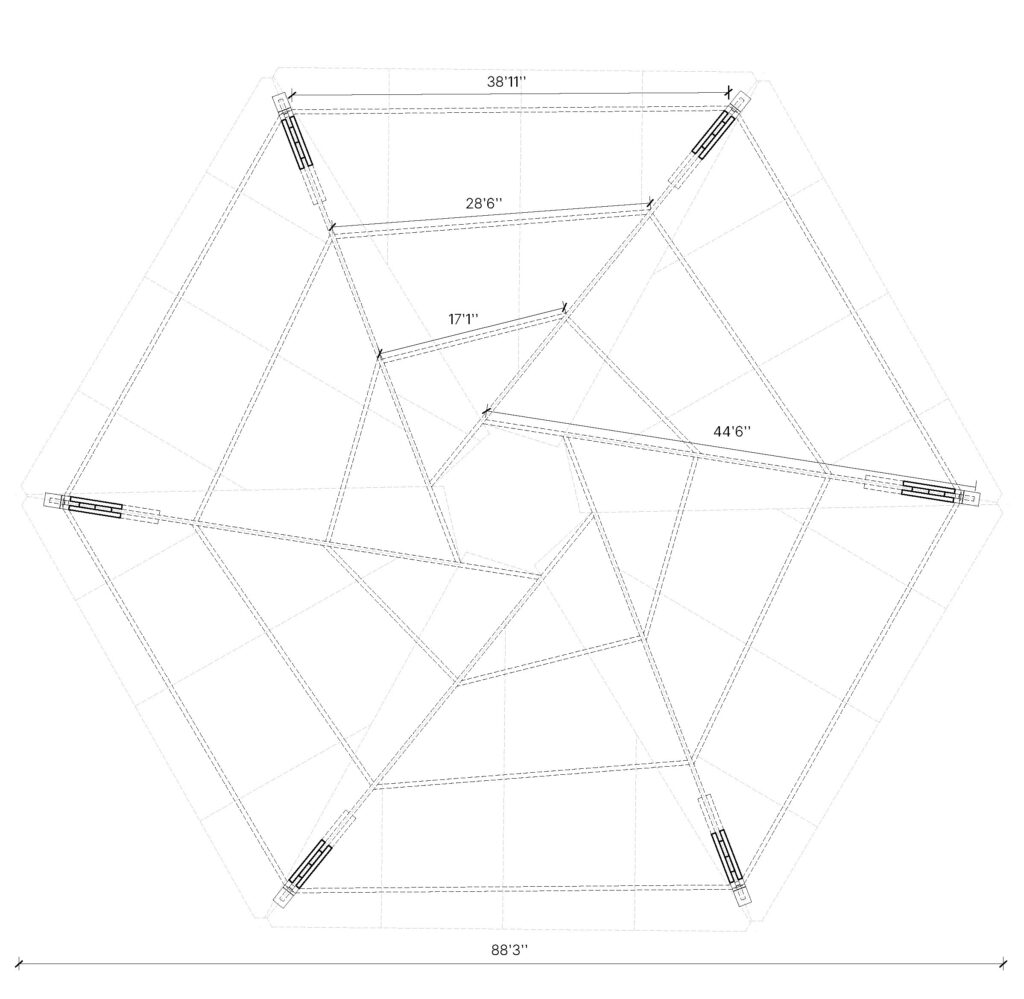
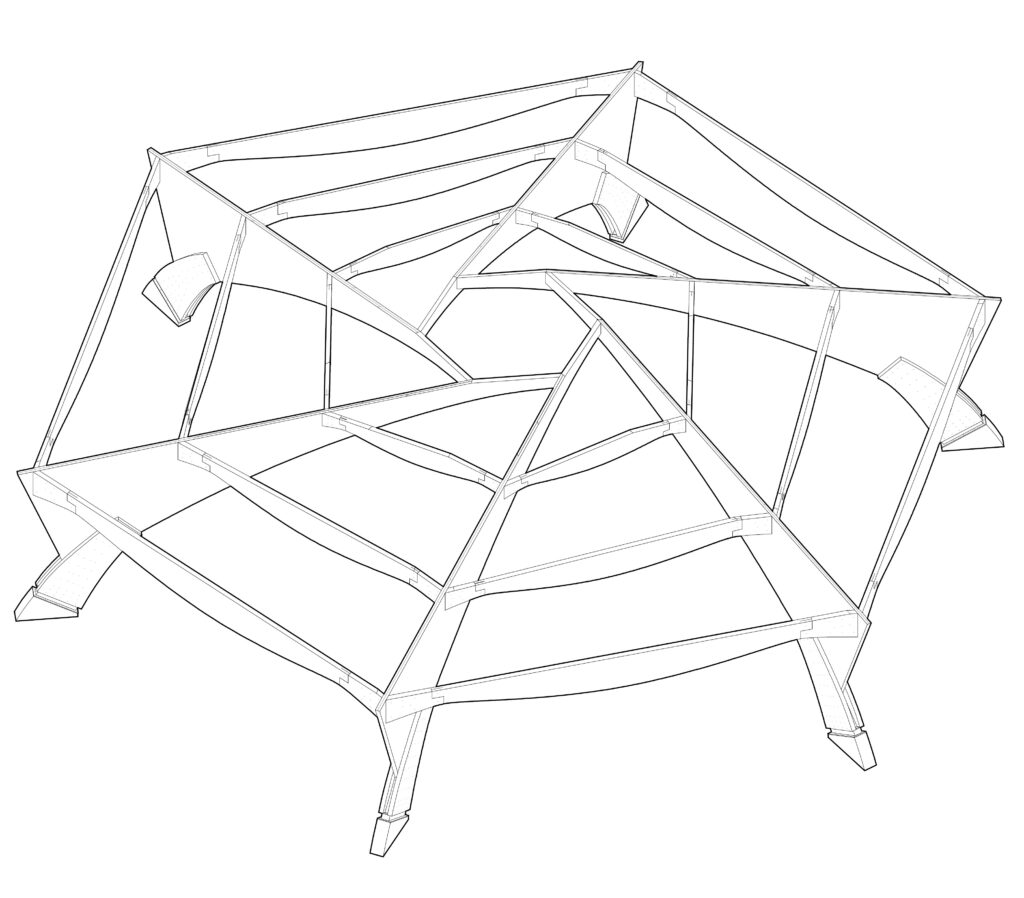
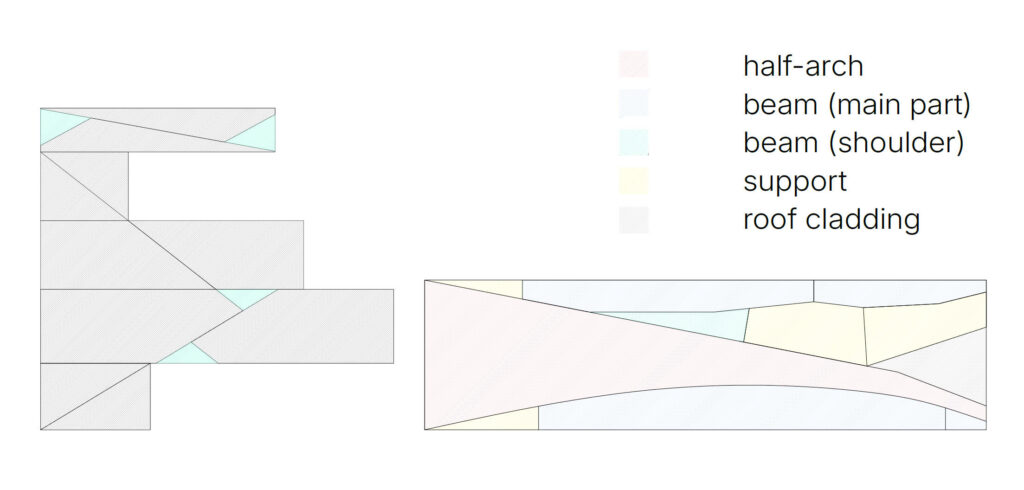
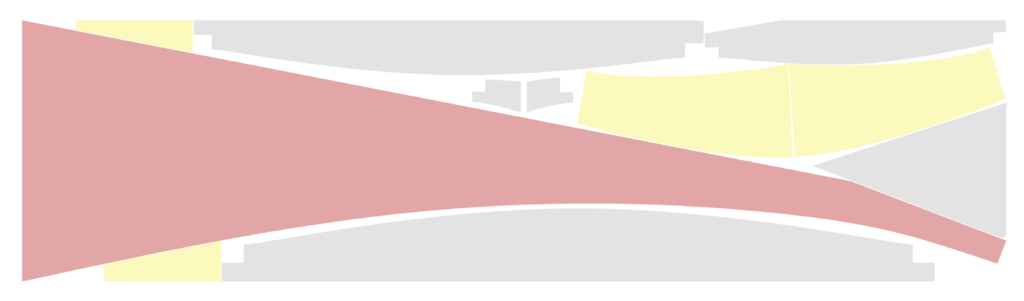
The design aims to achieve an efficient structural system while introducing natural lighting to the space beneath the canopy. These intentions naturally result in a reciprocal structure composed of arches and beams. Both the structural and roof-cladding components are cut from 12-inchwide mass plywood panels (MPP), following different cutting patterns as shown on this page.
The curved edges of the arches, beams, and supports are structurally meaningful. The arch curves follow a catenary shape, efficiently transferring evenly distributed roof loads. The bottom edges of the beams are shaped according to internal bending moments. The supports feature curved edges as extensions of the arches, transferring loads along the arches to the concrete foundations. The placement of each component on the 2D cutting layout is carefully designed to minimize gaps. As a result, approximately 94.9% of the material is utilized across the pavilion, with utilization rates of 91.5% and 97% for structural and roof-cladding components, respectively.
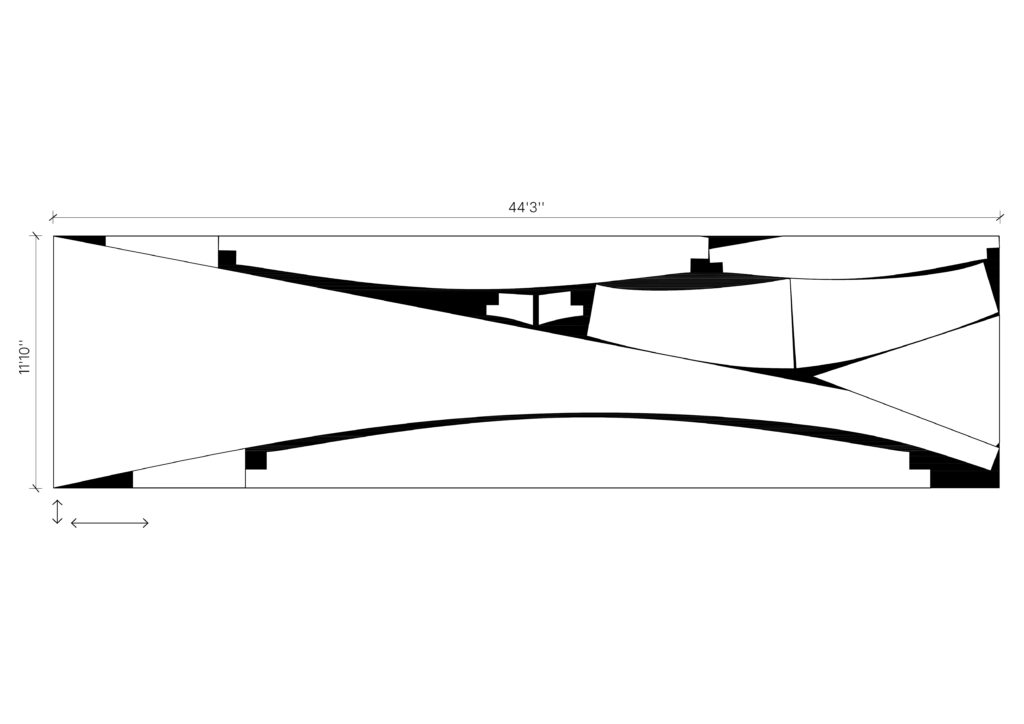
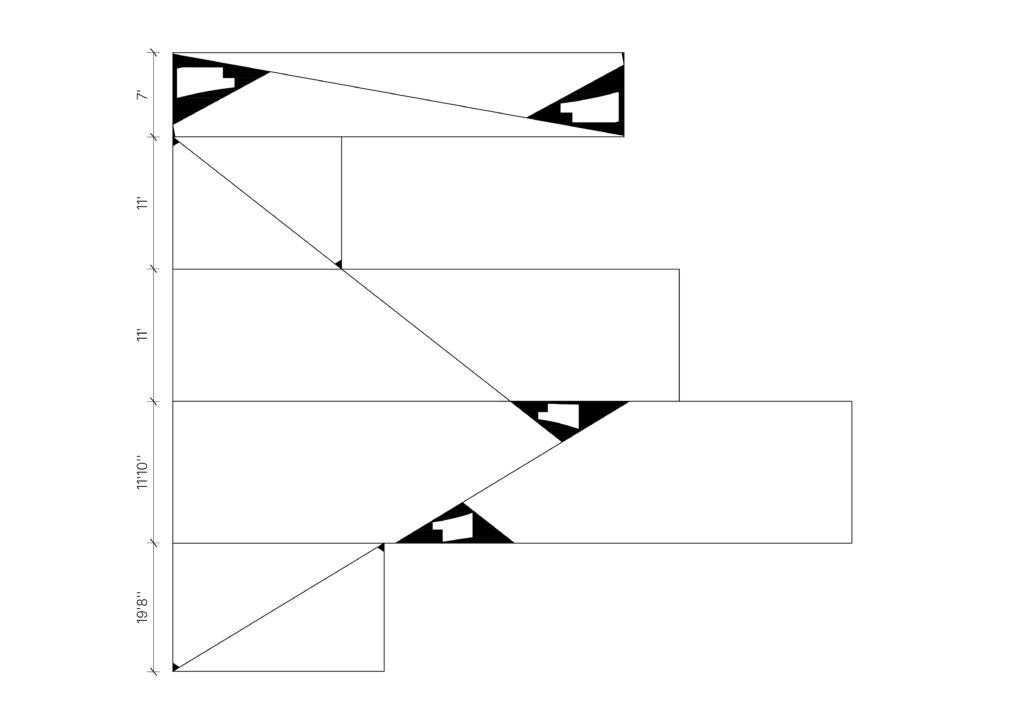
2D Cutting Layouts
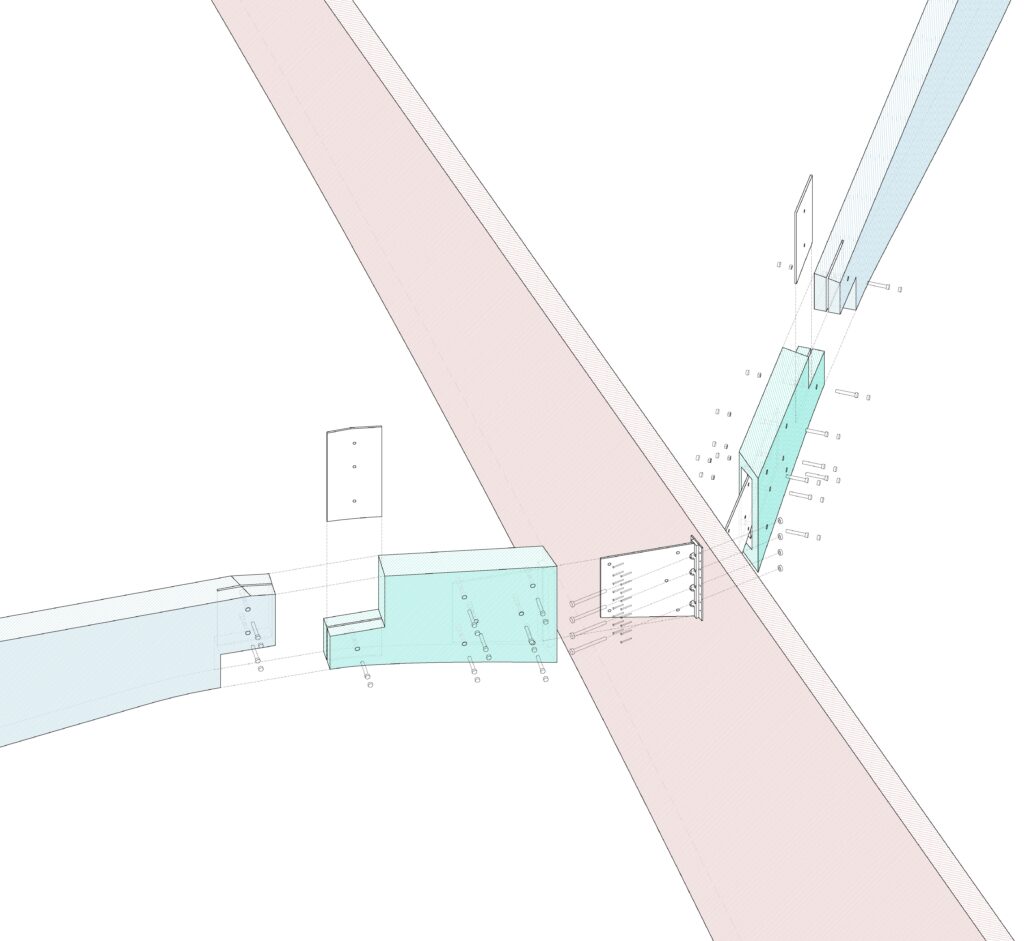
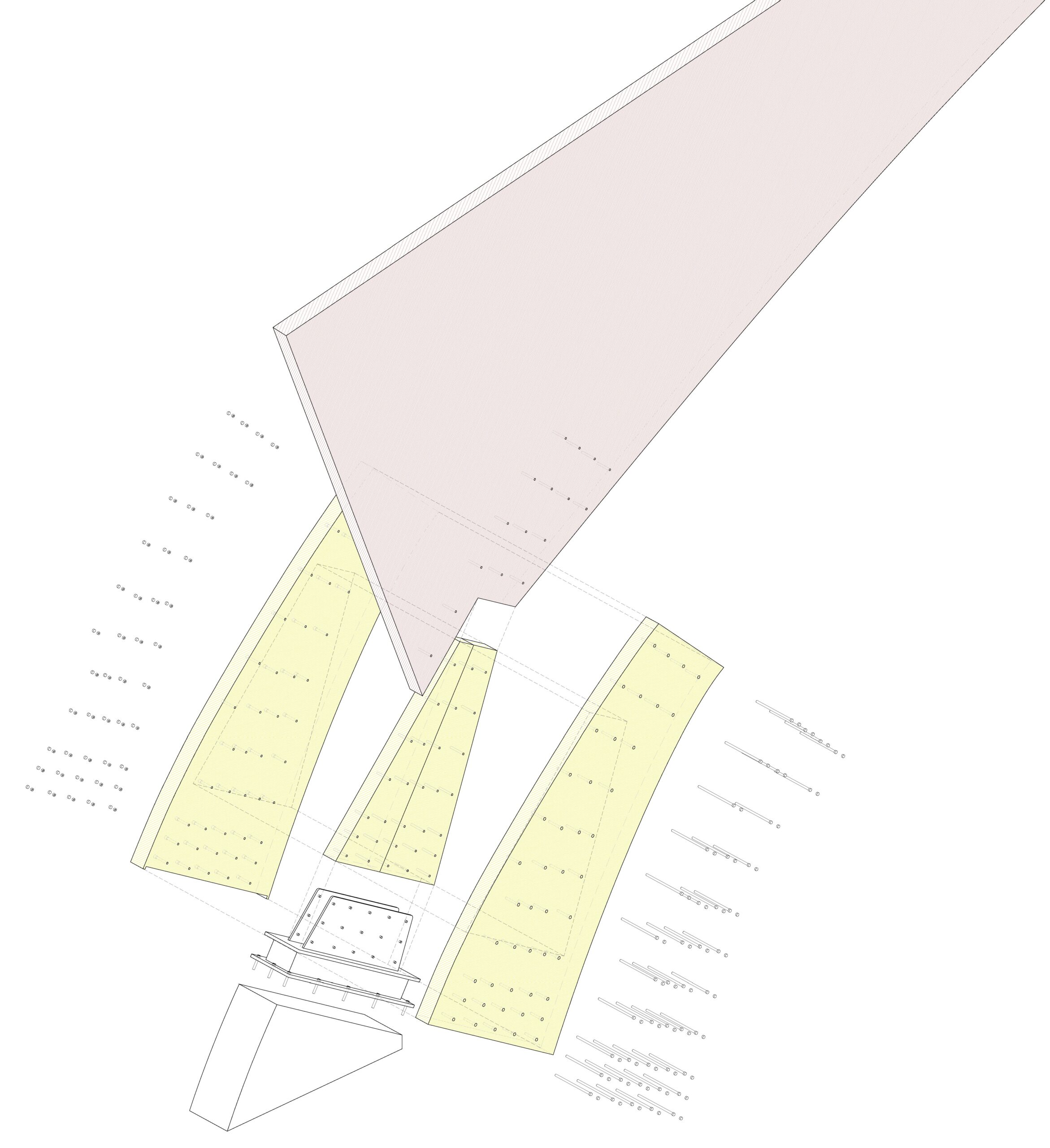
Joints Details
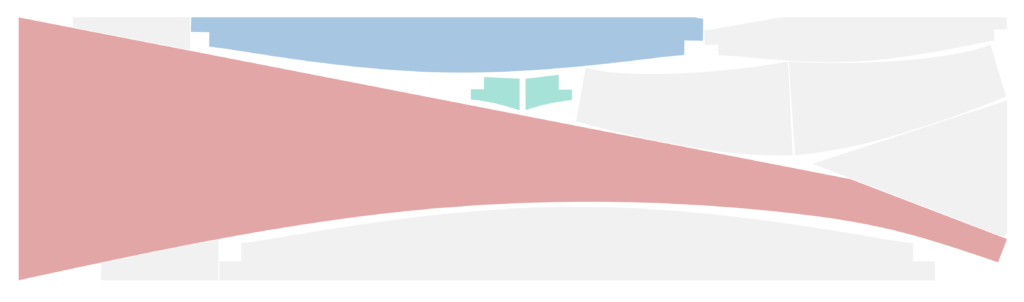
The connections between the beams and arches are formed using customized steel joints bolted to the arches from both sides. These connectors are attached to the triangular—also referred to as “shoulder”— regions of the beams, onto which the primary beam members bear through half-lap joints. The introduction of these shoulders not only improves joint strength but also allows a more efficient fit within the cutting layout, reducing material waste.
The triangular components at the corners are utilized to provide direct supports to the arches, avoilding trandferring all the loads through bolting, which introduces high mount of shear between arches and supports. Two giant panels sandwich the triangular pieces and the arches to stablize the structure. All the massplywood members are bolted to customized steel connectors which transfer all the loads to giant concrete foundations.