Modern Mental Space
Year: 2025
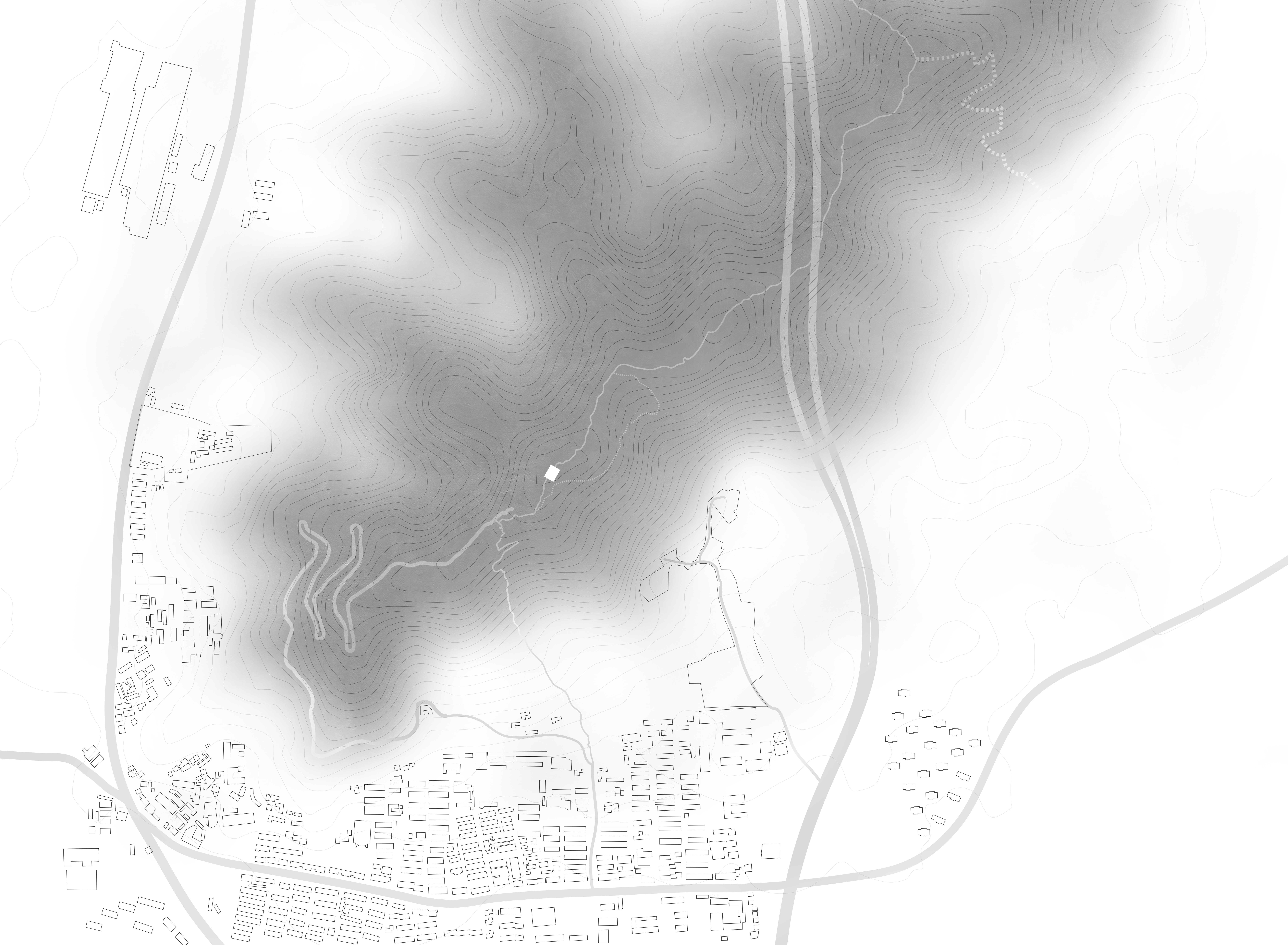

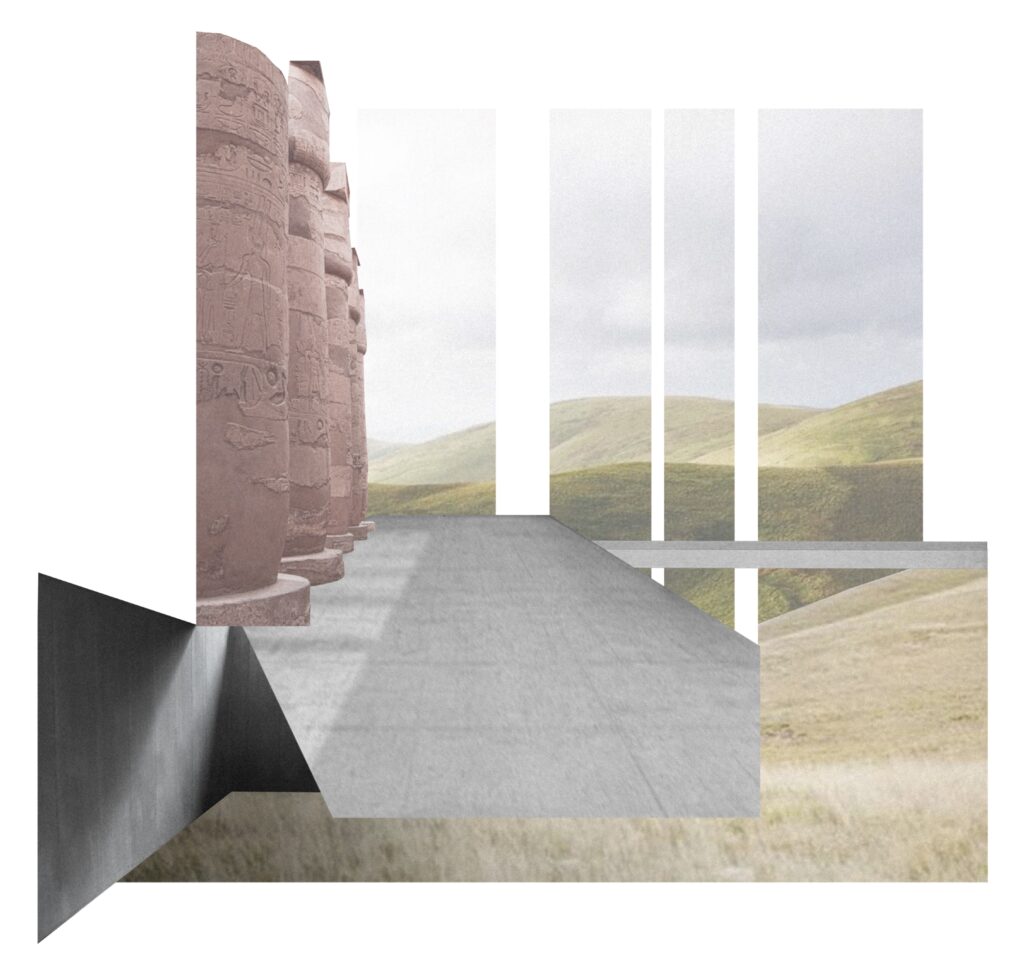
Throughout history, both China and the West have produced distinctive prototypes of spiritual spaces, such as Chinese temples, Taoist monasteries, and Western temples and churches, among others. Before modern science became widespread, people found comfort and strength to face the fear of the unknown through religious beliefs. In 21stcentury China, religious faith has gradually become less prevalent, and spaces once used for prayer and supplication are now increasingly becoming tourist attractions. I believe that even without religious faith, modern people still need spaces with spiritual qualities. This project looks into what modern spiritual spaces, which I believe to be a combination of artificial mediums and the most authentic natural world, could be like.
WHY IS MENTAL SPACE STILL NEEDED NOW?
This project is inspired by a high school classmate who developed severe depression. He often focuses negative aspects in life, unable to see the positive, and repeatedly expresses suicidal thoughts. In talking with him, I realized that depressed individuals tend to overlook the positive and fixate on the negative. Nature is a powerful remedy, but for those with depression, nature can be overwhelming and hard to connect. Architecture can help facilitate this healing process in three ways:
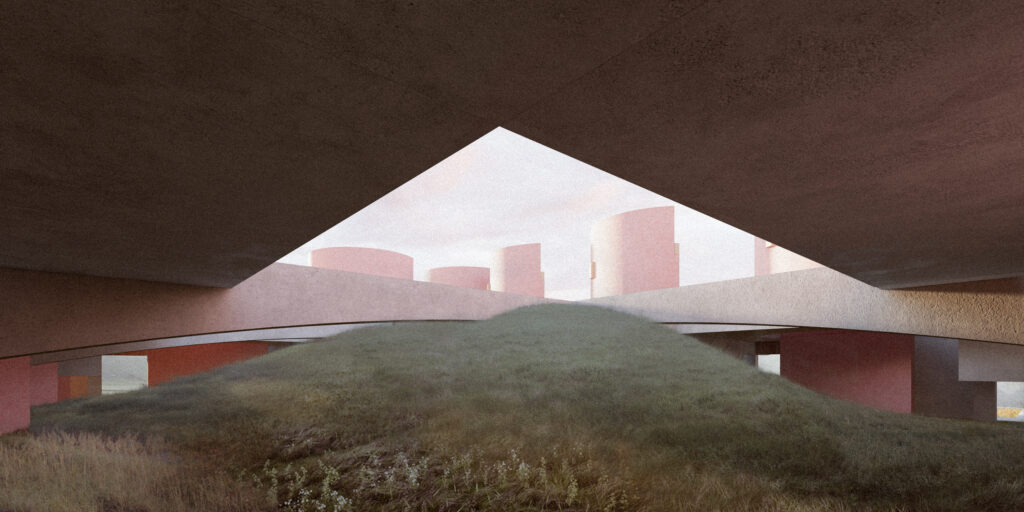
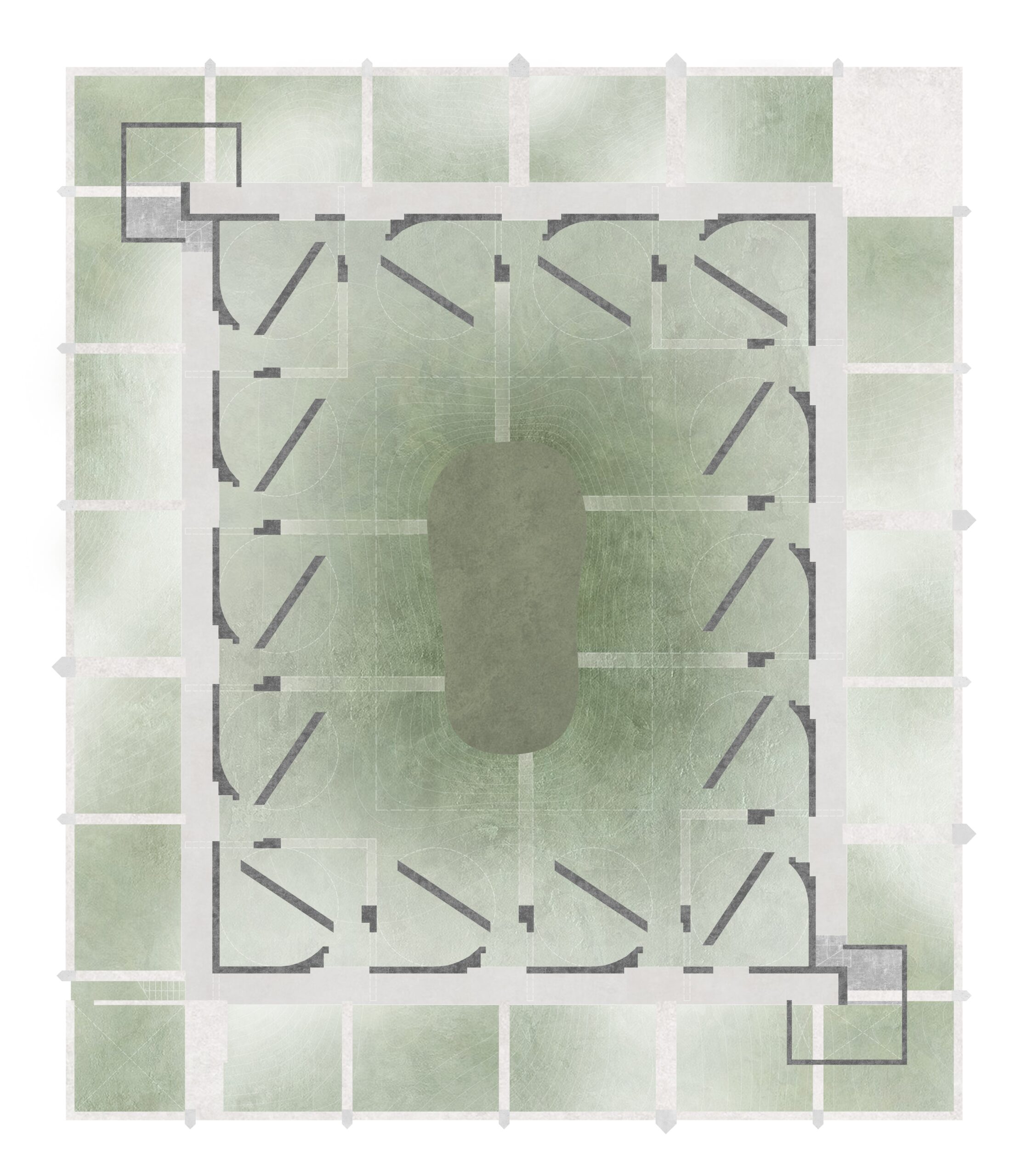
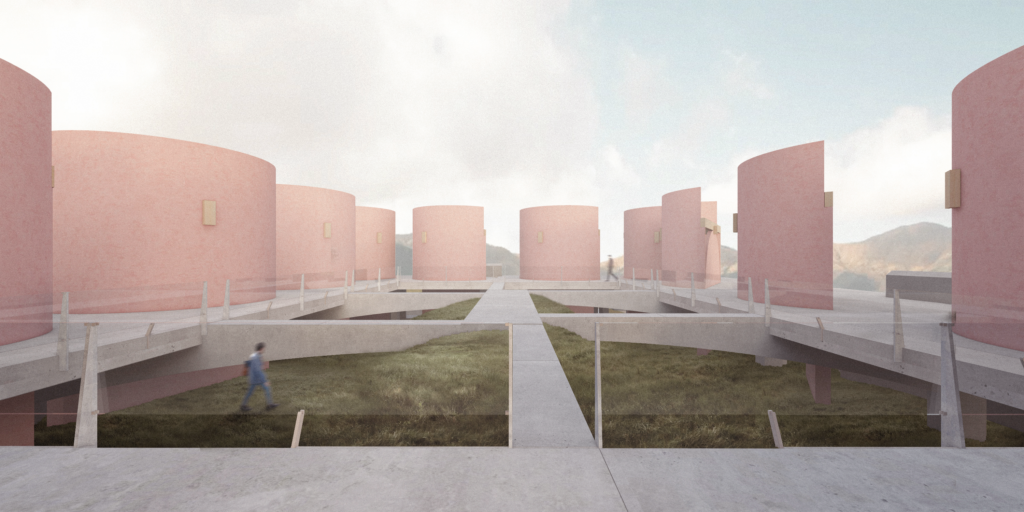
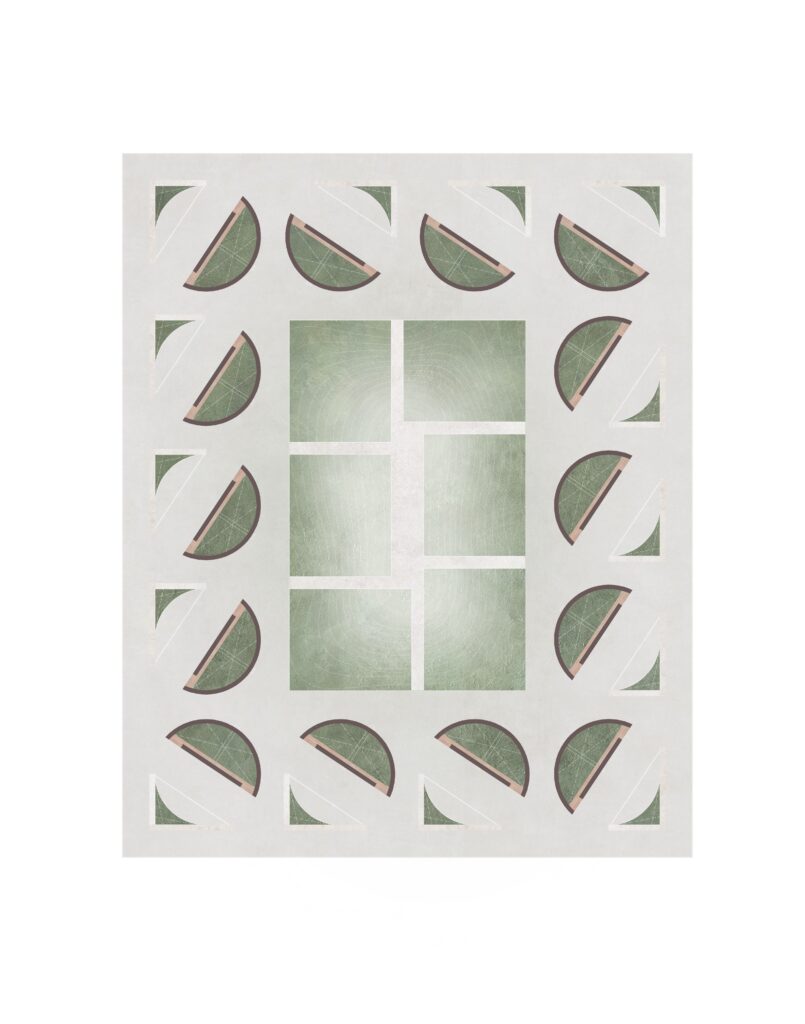
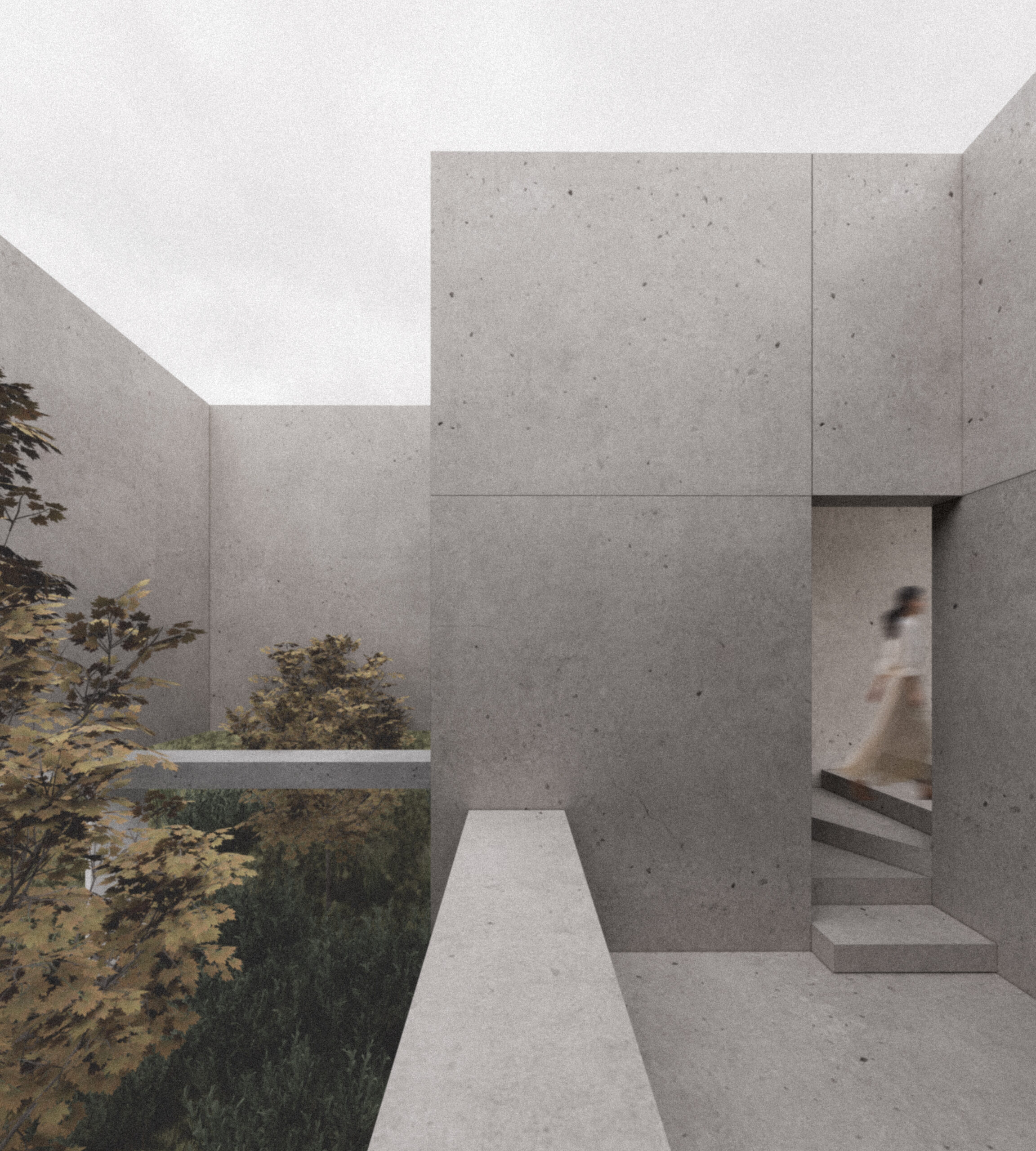
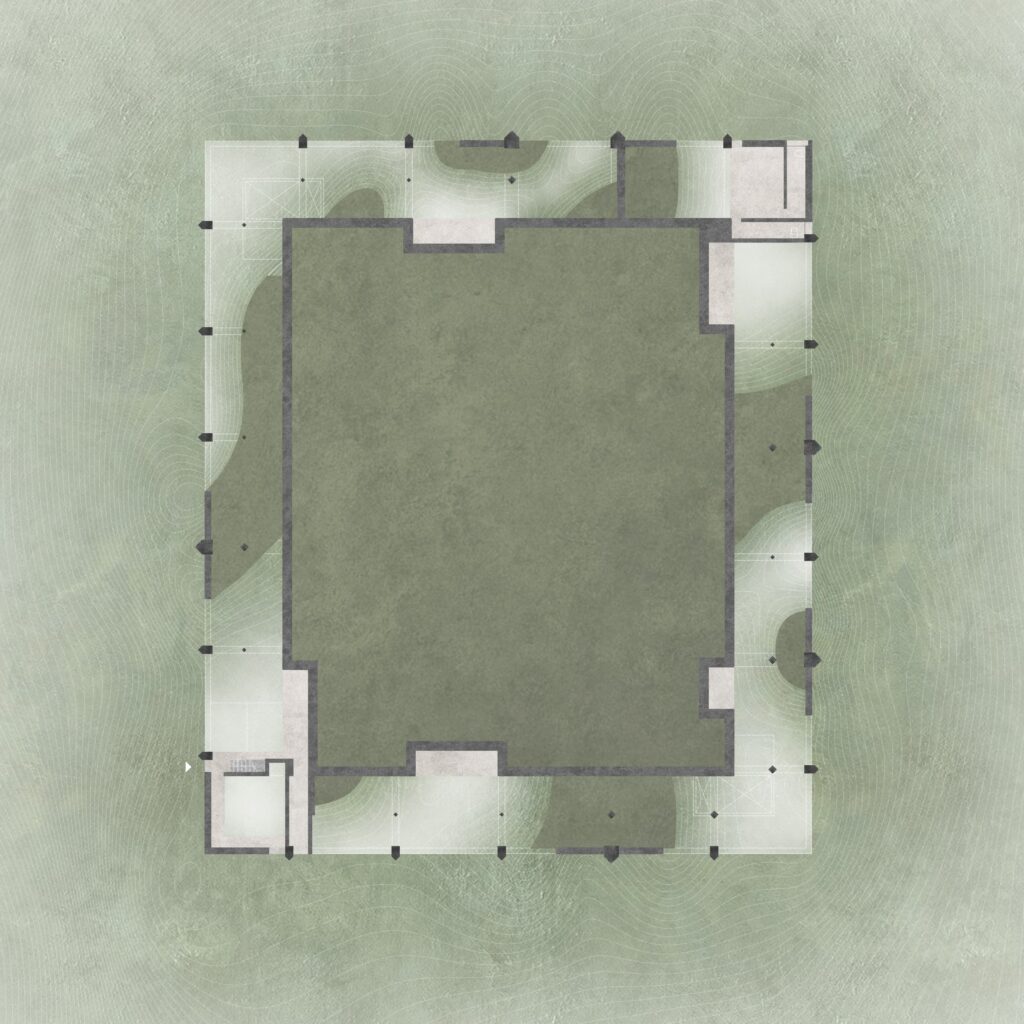
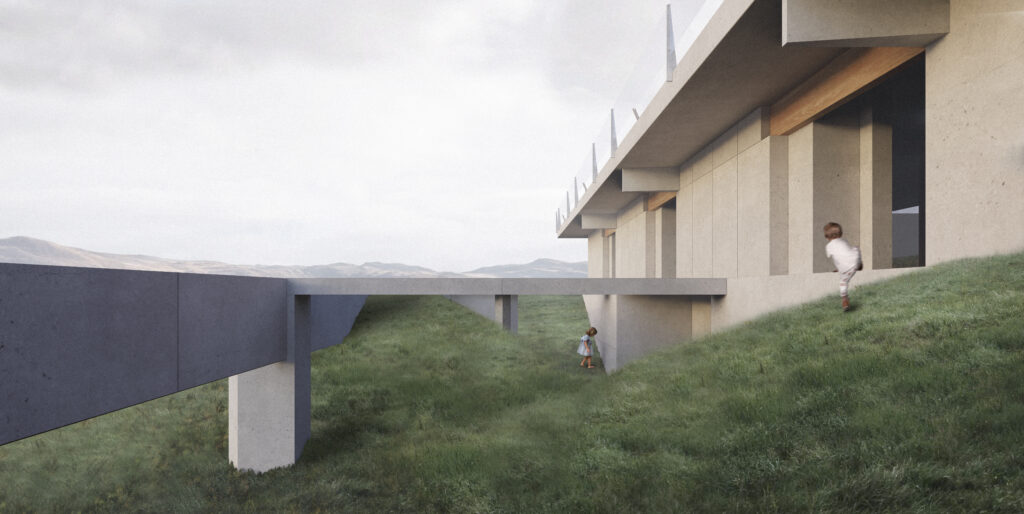
First, architecture’s inherent order encourages people to engage with space and understand their surroundings. Second, architecture frames nature, providing a manageable view that makes the landscape more accessible for someone with depression. Finally, as people move through architectural spaces, they interact with the natural terrain, which allows them to engage with nature more deeply and begin to heal.
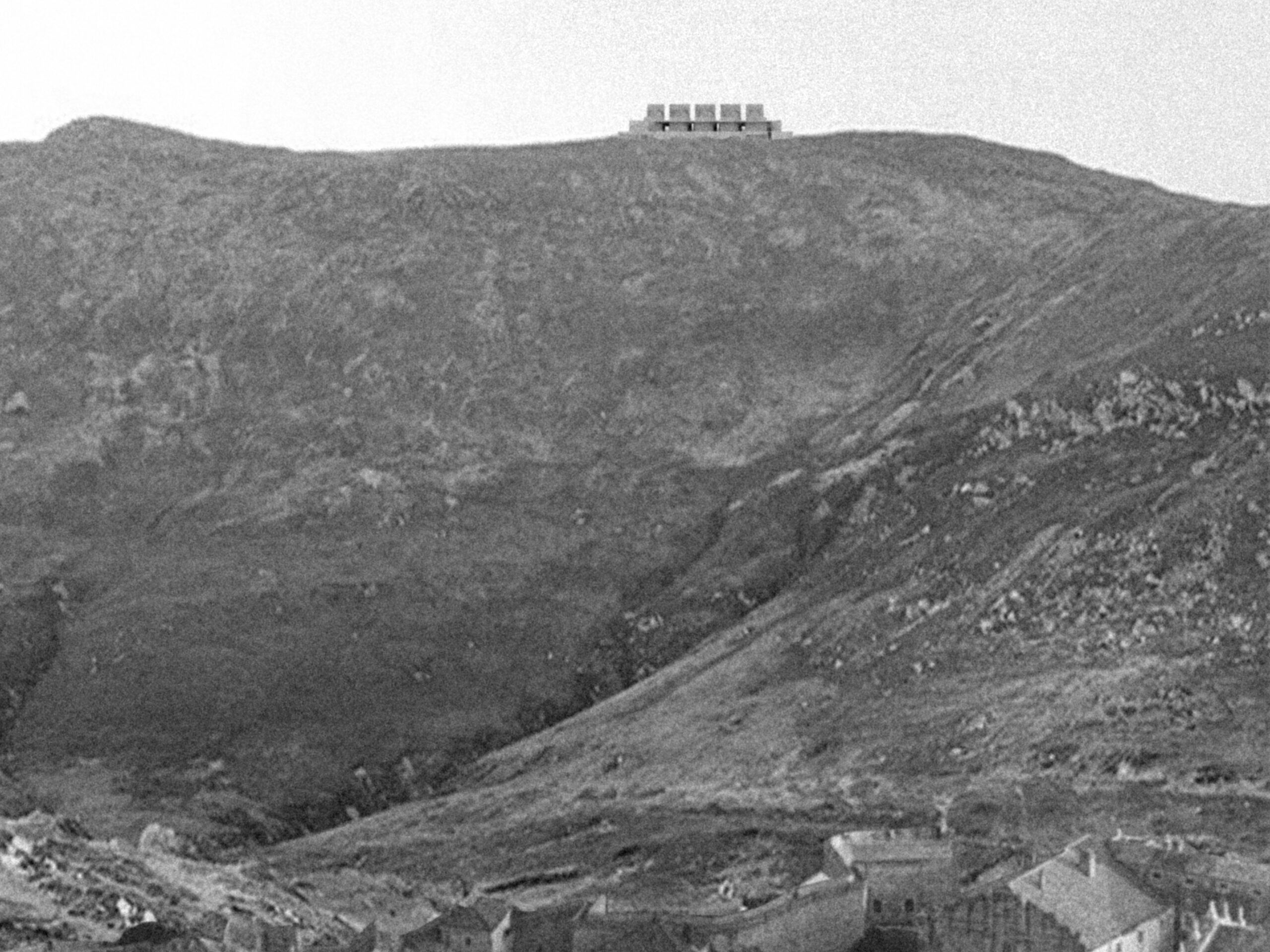
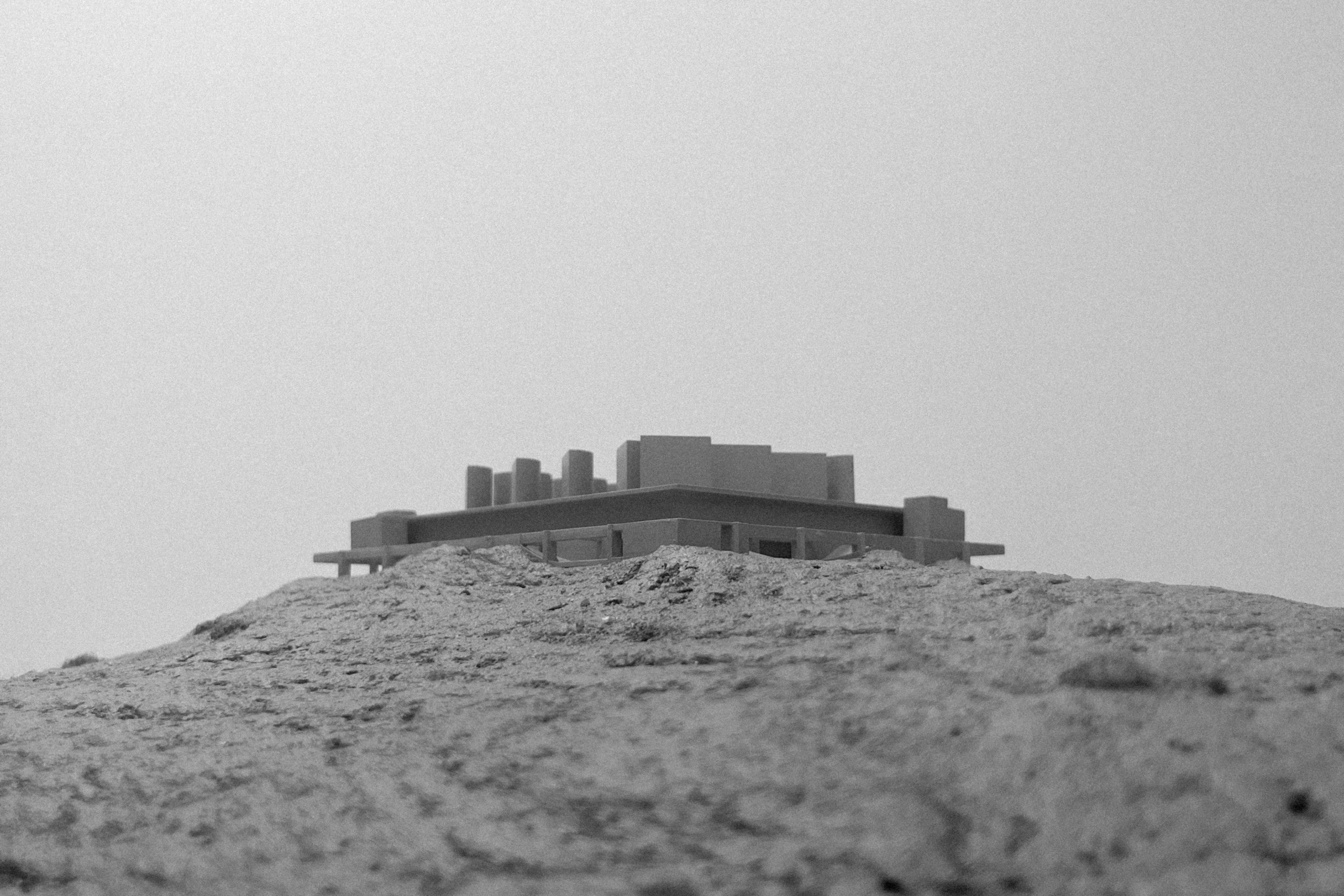
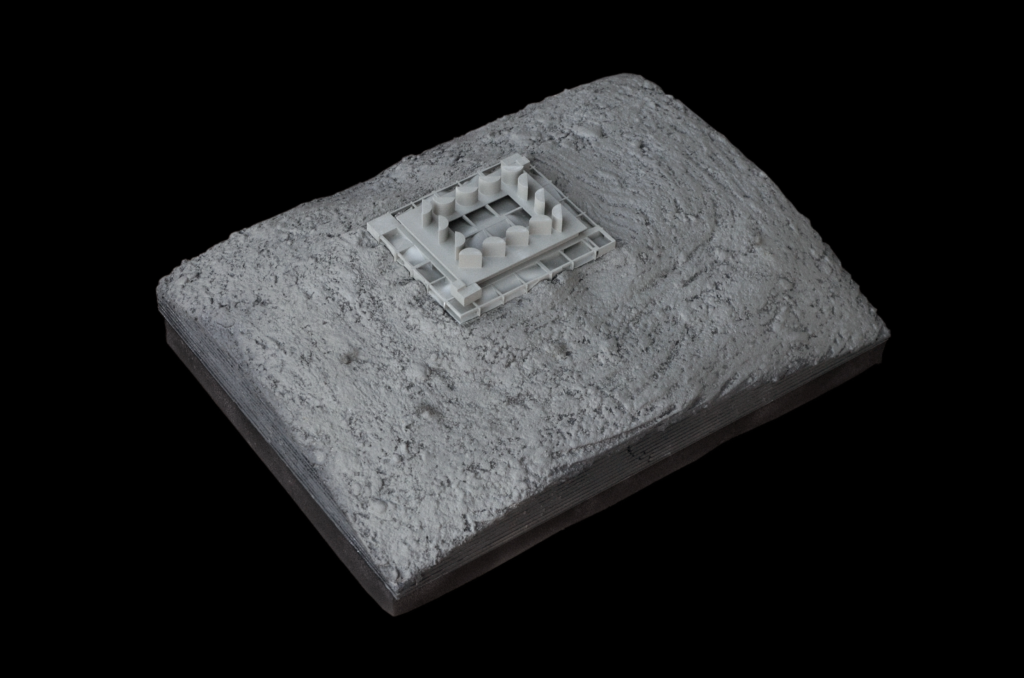
Physical Model 1/300